

rIf you are searching for rescue 1122 job then surely you must have seen videos on Facebook, YouTube and other apps in which it has been claimed whether the application is open now.
There is an age limit, people’s eligibility and the last date to apply, it’s all confusing.
That’s basically how most people find out about Rescue 1122 recruitment — through half-information, Whatsapp forwards, and YouTube thumbnails screaming “APPLY NOW!!” without actually explaining how. So let’s fix that. This is the straightforward version, the one you’d want a friend who’s been through a few of these government recruitment cycles to walk you through over.
Table of Contents
First, What’s Actually Being Offered
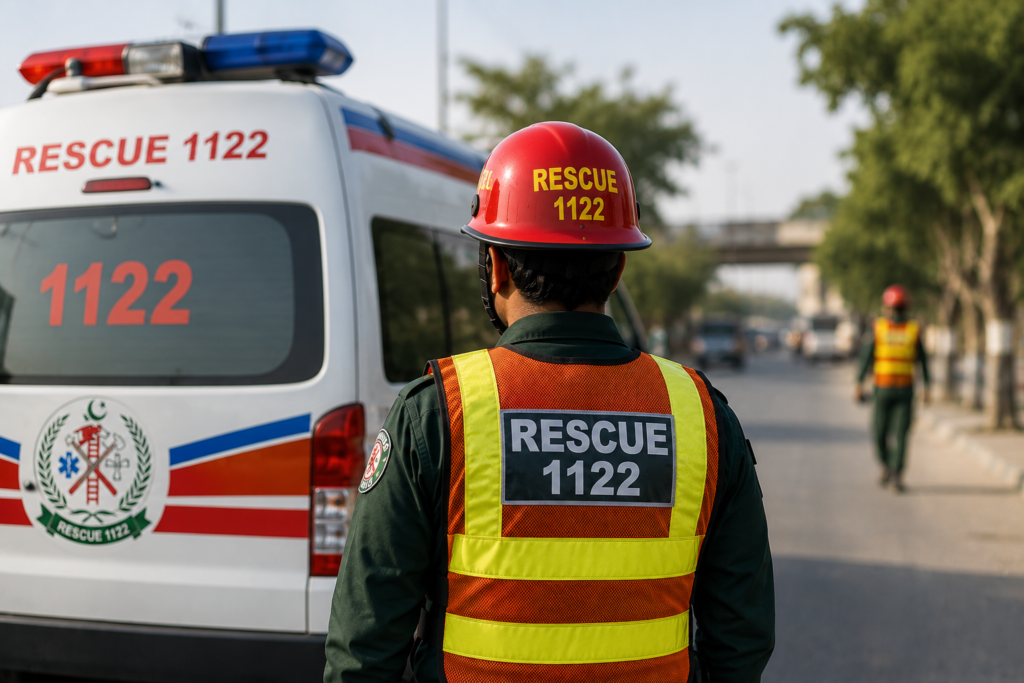
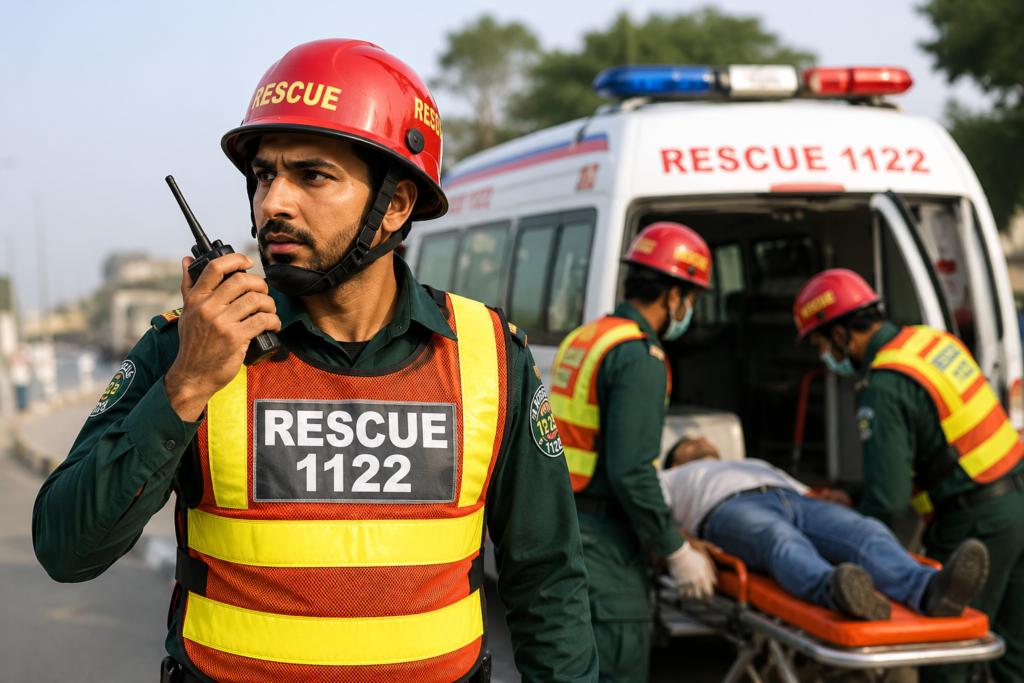
The current Rescue 1122 Jobs 2026 advertisement covers a few operational roles — Emergency Medical Technician (EMT), Fire Rescuer, and Rescue Driver (LTV) — spread across multiple districts in Punjab. These aren’t desk jobs. You’re signing up for a role where you might be the first person at a road accident or a house fire, which is worth sitting with for a second before you get excited about the “government job” part alone.
A lot of candidates apply purely because it’s a stable, pensionable-sounding government post, then get to the physical test stage and realize nobody warned them it involves actual running, dragging weighted dummies, or climbing drills. If you’re serious about this, treat it like applying for a physically demanding job — because it is one.
Age and Qualification — The Part Everyone Messes Up
Here’s where I see the most confusion every single recruitment cycle. People either assume they’re too old, too young, or “not qualified enough” without actually checking.
Age requirement: 18 to 30 years at the time of application.
Qualification: FSc, ICS, or equivalent intermediate-level education from a recognized board. This is where I get the most confusion for every recruit.Some specific posts (like driver roles) may ask for additional requirements such as a valid LTV license, so don’t just skim the headline qualification — read the specific post you’re applying for.
One mistake I keep seeing: candidates calculate their age using their date of birth on their old matric certificate instead of their CNIC, and the two don’t always match if there was ever a correction. If there’s even a one-year gap between your CNIC and your certificates, sort that out before you apply — not after you’ve already submitted the form and started panicking.
Rescue 1122 Jobs 2026 Last Date — Don’t Cut This Close
The closing date for online applications is 3rd August 2026.
I know it’s tempting to wait until the deadline day “just to be sure about the documents.” Don’t. Government application portals almost always slow down or crash in the final 24-48 hours because everyone waits until the last minute at the same time. If your internet drops out or the payment gateway times out on the last day, there’s no sympathy — the portal just closes.
A better approach: treat the real deadline as three days before the actual last date. That buffer has saved more people than you’d think.
Rescue 1122 Jobs 2026 Online Apply — Step by Step
Here’s the process broken down simply, without the confusing bureaucratic language most ads use:
Step 1: Find the official portal. Applications go through the designated testing service handling this recruitment (commonly CTS for Rescue 1122). Search directly for the official domain — don’t click random links shared in Facebook groups. Fake portals asking for “processing fees” through personal bank accounts are unfortunately common during high-traffic recruitment seasons.
Step 2: Create your account properly. Use an email you actually check. So many people register with an old, forgotten email address and then miss their roll number slip notification entirely.
Step 3: Fill the form carefully — twice. Fill it once, then walk away for ten minutes, come back, and read every field again before hitting submit. Typos in CNIC numbers or domicile district are one of the most common reasons applications get flagged.
Step 4: Upload documents in the right format. Most portals want:
- CNIC (front and back, clear scan, not a phone photo with glare)
- Domicile certificate
- Educational certificates/transcripts
- A recent photo with a plain, light background (blue background is often specifically required — check the ad)
If your photo has a patterned wall or a family member’s arm in the corner (it happens more than you’d think), just redo it. A photo studio scan takes ten minutes and saves you a rejected application.
Step 5: Pay the fee through the correct channel. Only pay through the bank or method explicitly listed in the official advertisement. Screenshot your payment slip immediately — don’t rely on “I’ll just find it later in my messages.”
Step 6: Submit and download your slip. Once submitted, download and print your application/roll number slip right away. Don’t assume you’ll “do it later” — save it somewhere you won’t lose, like a labeled folder on your phone and a printed copy in a file.
What Happens After You Apply?
This is the part the advertisements gloss over, so let me lay it out honestly:
- Written test — general knowledge and subject-related questions. Nothing exotic, but don’t walk in unprepared either.
- Physical test — this trips up more people than the written exam. If you’re applying for EMT, Fire Rescuer, or Driver roles, start basic conditioning now, not two weeks before the test date. Running, push-ups, and general stamina matter more than people expect.
- Medical exam — vision standards and general fitness get checked here. If you wear glasses and your vision doesn’t meet the required standard without them, know that going in rather than getting blindsided at the exam.
- Interview — for shortlisted candidates, usually straightforward questions about your background and motivation for the role.
A Few Honest Lessons Worth Knowing
- Apply to one post only, and pick it deliberately. Don’t apply for a driver post just because the qualification bar seems lower — if you don’t actually have the LTV license or aren’t comfortable driving under pressure, you’re setting yourself up to fail a later stage.
- Physical fitness prep matters more than people admit. Even a basic month of daily walking, light jogging, and stretching puts you ahead of half the candidates who show up cold.
- Keep digital and physical copies of everything. Slip, payment receipt, CNIC copy — all of it. Recruitment offices get flooded with queries near test dates, and having your documents ready saves you from standing in a line for an hour just to prove you applied.
- Ignore panic posts in Facebook groups. Every cycle, someone posts wrong information about the last date or a fake “extended deadline” notice. Always cross-check against the actual official advertisement or website, not a screenshot someone reposted three times.
Is It Worth Applying For?
If you genuinely want a role where you’re helping people on their worst days — accidents, fires, medical emergencies — this is meaningful work, not just a paycheck. It comes with real physical and emotional demands, so go in with clear eyes about that. But for candidates who take it seriously, prepare properly, and don’t cut corners on the application, it’s a solid, respected government career path with real long-term stability.
If you’re eligible on age and qualification, and 3rd August 2026 hasn’t passed yet, don’t let a messy WhatsApp forward be your only source of information — go straight to the official advertisement, apply carefully, and start your physical prep now rather than later.
Note: Recruitment details like fees, exact vacancies, and dates can be revised by the department, so always verify current information against the official Rescue 1122 or Emergency Services Department advertisement before applying.
Final Thoughts
Look, government job ads always sound the same — big promises, vague details, and a deadline nobody explains properly. Rescue 1122 Jobs 2026 isn’t really different in how it’s announced, but it’s different in what the job actually is.
This isn’t a “sit at a desk and wait for retirement” kind of role. You’re signing up to show up when things go wrong for other people — accidents, fires, medical emergencies — and that’s worth thinking about seriously before you fill out the form, not after you’ve already cleared the written test.
If you’re 18 to 30, you meet the FSc/ICS qualification, and you’re genuinely okay with the physical side of the job, this is a solid opportunity. Stable, respected, and honestly the kind of work that means something at the end of the day — not every job can say that.
Just don’t wait till August 2nd to start your application. Get your documents sorted now, double-check your CNIC and certificate details actually match, and give yourself breathing room before the 3rd August deadline. That one habit alone saves more people from missing out than anything else on this list.
Good luck — and if you do get in, take the physical prep seriously. Future-you on shift will thank present-you for it.
FAQs?
How do I apply?
Online, through the official Rescue 1122 application portal.
What qualification is required?
FSc, ICS, or an equivalent intermediate-level qualification from a recognized board. Driver posts may require an additional valid LTV license.
What documents do I need?
CNIC (front and back), domicile certificate, educational certificates, and a recent photo with a plain, light background (often blue — check the ad).
Is there a fitness test?
Yes, for EMT, Fire Rescuer, and Driver posts.
Is the job permanent?
No, it’s on a contract basis.